

Über das Buch
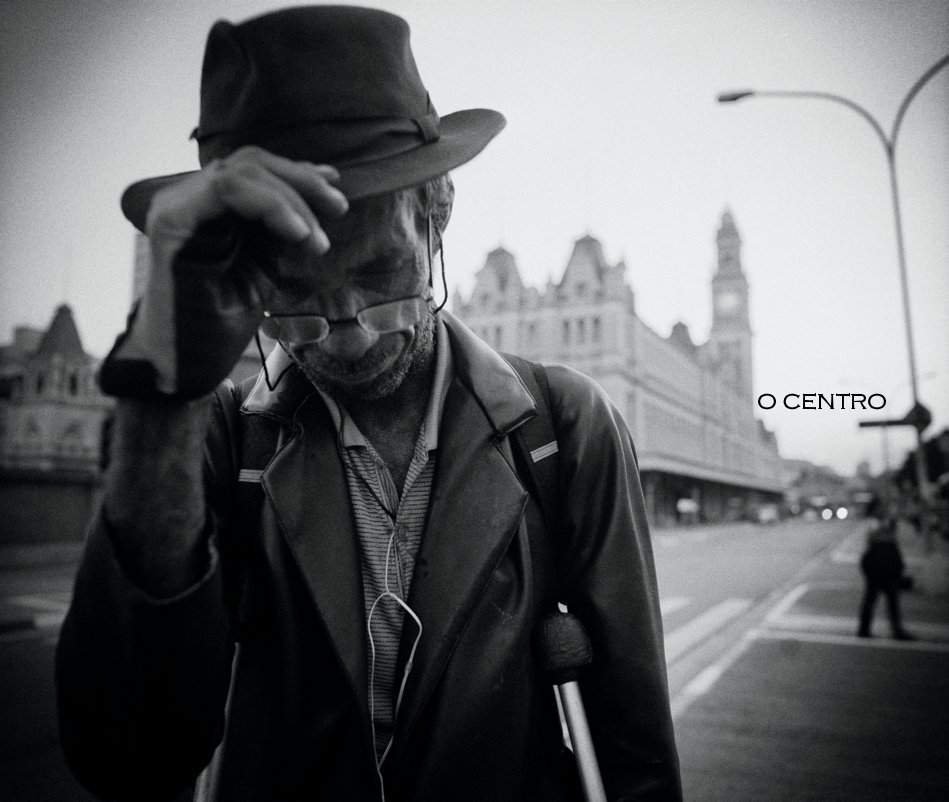
When I first visited Sao Paulo, in 2003, I was told the historic downtown was a dangerous place, that I would most probably get mugged and that there was nothing really for me to see there. I clearly remember the surprise I felt when I first walked through this part of town on a Sunday afternoon: nothing around me matched the description I had gotten and what I saw was what remains of a very sophisticated and rich city.
I’ve learned since that the atmosphere during the weekends, when many of the businesses are shut down, is very different than on a regular weekday. The deserted streets, I’d guess, amplify the place’s beauty by removing the people and the context of the chaotic everyday, creating an alternate reality. It was as if someone was filming Sao Paulo circa 1920, a city set for phenomenal growth on the wings of the coffee and sugar trades, then with one masterful cut the filmmaker fast forwarded to 2003, when that center had become a ghost town.
Since then, I've kept going back to this rich urban environment. Through the lens of my Pentax 6x7 I’ve discovered a vibrant and dynamic microcosm of life set in an architecturally beautiful environment. What has probably drawn me back, though, has been the human dimension, which is often what inspires my photographic work.
For me, O Centro became something of a secret and magical stage, where I had the chance to watch ordinary people going about their lives, blending the darker side with spontaneous sparks of joy. And every time I came
across a new character in this drama, my heart would race in excitement. That’s when my instinct pushed me to engage: I would spend as much time as possible (sometimes hours) absorbing his or her tale, trying to figure out how to capture the essence of the story.
I’ve learned since that the atmosphere during the weekends, when many of the businesses are shut down, is very different than on a regular weekday. The deserted streets, I’d guess, amplify the place’s beauty by removing the people and the context of the chaotic everyday, creating an alternate reality. It was as if someone was filming Sao Paulo circa 1920, a city set for phenomenal growth on the wings of the coffee and sugar trades, then with one masterful cut the filmmaker fast forwarded to 2003, when that center had become a ghost town.
Since then, I've kept going back to this rich urban environment. Through the lens of my Pentax 6x7 I’ve discovered a vibrant and dynamic microcosm of life set in an architecturally beautiful environment. What has probably drawn me back, though, has been the human dimension, which is often what inspires my photographic work.
For me, O Centro became something of a secret and magical stage, where I had the chance to watch ordinary people going about their lives, blending the darker side with spontaneous sparks of joy. And every time I came
across a new character in this drama, my heart would race in excitement. That’s when my instinct pushed me to engage: I would spend as much time as possible (sometimes hours) absorbing his or her tale, trying to figure out how to capture the essence of the story.
Eigenschaften und Details
- Hauptkategorie: Kunst & Fotografie
-
Projektoption: Querformat groß, 33×28 cm
Seitenanzahl: 88 -
ISBN
- Hardcover mit Schutzumschlag: 9798211904842
- Veröffentlichungsdatum: Juli 14, 2011
- Sprache English
Mehr anzeigen
Über den Autor

Carmelo Iaria
São Paulo, Brazil